Energy Burden to Energy Sovereignty – Part 2 Solutions & Progress
Energy sovereignty starts with community education and awareness. As energy costs continue to rise, many communities are looking for ways to reduce dependence on outside utilities as well as building more sustainable systems to meet local needs.
One key step towards identifying solutions is to understand the energy industry landscape. Different types of energy providers operate under different rules and priorities. Investor-owned utilities are run for profit, while cooperatives are owned by members and municipal utilities are operated by local governments. Important issues include net metering for solar energy, high energy burdens, limited rural access, and dependence on fossil fuels.
Strategic energy plans help communities create a solid plan toward energy sovereignty. These plans often include energy assessments, community priorities, and risk analyses. Energy audits and weatherization projects can identify inefficiencies and outline strategies for reducing demand. Technologies such as PV systems, wind, microhydro, and tidal, can reduce costs over time and improve reliability, especially for communities in remote areas or at the end of utility service lines.
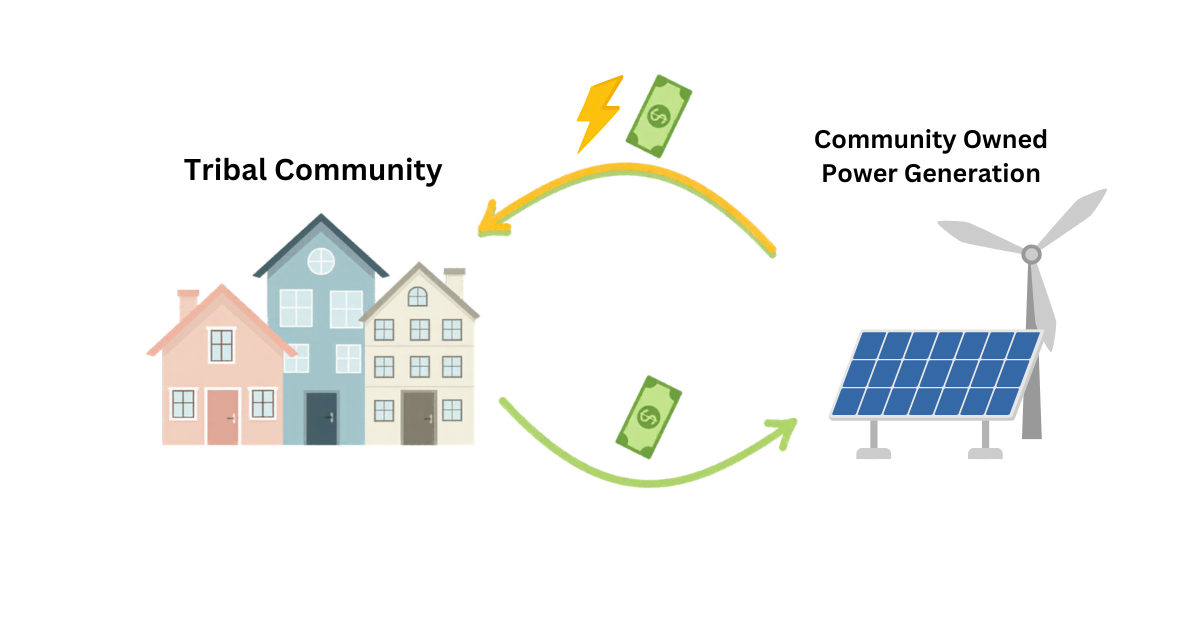
Community-led initiatives are already making progress in this field. Indigenous-led groups are developing local solar and energy efficiency projects that open up new economic benefits within their communities. Across Washington State, where Remote Energy is headquartered, Tribal communities are exploring microgrids as an opportunity for long-term cost savings and community resilience hubs. These projects also offer opportunities to upskill Tribal community members as installers and maintenance technicians. As power demand is projected to grow, and with it the cost of electricity, local power generation is critical for efforts towards energy sovereignty.